
Prefab homes vs traditional homes has become a hot topic as more people explore alternative living options. With the rise of sustainable living and modern architectural designs, understanding the differences between these two housing styles can help potential homeowners make informed decisions. This discussion delves into the structural contrasts, cost implications, and various climate considerations that set prefab homes apart from traditional ones.
As we navigate this intriguing comparison, it’s important to recognize not just the physical attributes of these homes, but also the branding and marketing strategies that shape public perception. Whether you’re eyeing a prefab home for its eco-friendliness or considering a traditional house for its classic appeal, knowing the advantages and disadvantages associated with each option can significantly influence your choice.
Comparison of Prefab Homes and Traditional Homes
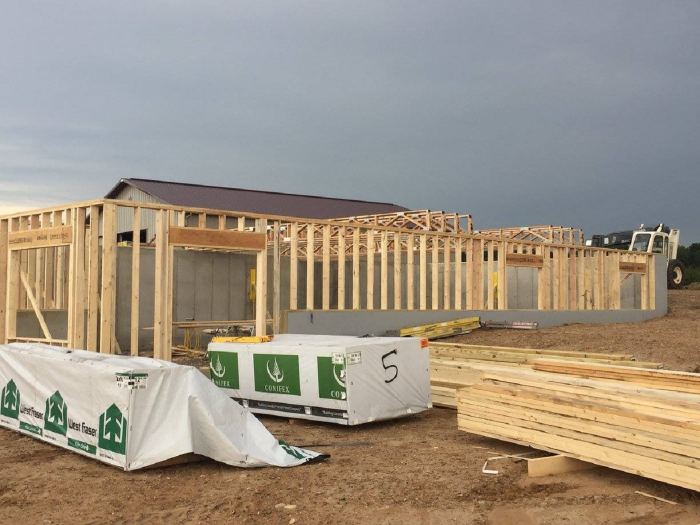
Prefab homes, also known as prefabricated or modular homes, have been gaining popularity as an alternative to traditional homes. Understanding the structural differences, cost implications, and climate adaptability of both housing types can help potential homeowners make informed decisions. This comparison will delve into the unique characteristics of prefab and traditional homes, highlighting their strengths and weaknesses.
Structural Differences
The structural design of prefab homes differs significantly from that of traditional homes. Prefab homes are constructed in a factory setting, where components are manufactured and then transported to the building site for assembly. This process allows for efficient production and often results in higher quality control due to consistent manufacturing conditions. In contrast, traditional homes are built entirely on-site, which means they are subject to varying weather conditions and potential delays in construction.Some key structural characteristics of each include:
- Materials: Prefab homes predominantly use engineered materials, which can enhance durability and reduce waste. Traditional homes typically utilize conventional materials, which may vary in quality.
- Construction Time: Prefab homes can be completed in a fraction of the time, often within a few weeks, while traditional homes may take several months to construct.
- Design Flexibility: Traditional homes often offer more custom design options, whereas prefab homes come with pre-determined layouts and styles, though many manufacturers now offer customization options.
Cost Implications
When considering costs, prefab homes generally offer a more affordable option compared to traditional homes. The overall expenses associated with prefab homes can be lower due to reduced labor costs and shorter construction times. The price of a prefab home can range from $100 to $200 per square foot, while traditional homes can start from $150 and go up to over $300 per square foot, depending on location and material choices.Key financial factors to consider include:
- Initial Investment: The upfront costs of prefab homes are often lower, allowing buyers to allocate more funds for finishing touches or land acquisition.
- Long-Term Savings: Prefab homes can lead to energy savings due to their modern design and construction techniques, which often include better insulation and energy-efficient appliances.
- Financing Options: Some lenders may be hesitant to finance prefab homes, which could impact the availability of loans and influence overall costs.
Advantages and Disadvantages in Various Climates
The performance of prefab homes versus traditional homes can be influenced by the climate in which they are located. Each type of home has its own advantages and disadvantages based on environmental factors.In warmer climates, prefab homes often feature energy-efficient designs that maximize ventilation and minimize heat absorption. Traditional homes can also be designed to suit hot climates but may require additional modifications for optimal energy efficiency.In colder climates, traditional homes provide the ability to easily incorporate insulation and heating systems tailored to specific needs.
However, many prefab homes are designed with superior insulation and energy-efficient standards, making them viable options in cold regions as well.Considerations for climate-specific advantages include:
- Heat Resistance: Prefab homes may use materials designed to reflect heat, which can be beneficial in hot climates.
- Moisture Management: Traditional homes can be built with specific moisture barriers, while prefab homes may need careful planning to avoid humidity issues.
- Wind Resistance: Prefab homes can be engineered for durability against high winds, which is crucial in tornado-prone or hurricane-prone areas.
Branding and Marketing Strategies for Prefab Homes
In the rapidly evolving housing market, prefab homes present unique opportunities for branding and marketing strategies that emphasize their distinct advantages. By focusing on the benefits, companies can effectively distinguish themselves from traditional home builders and capture the interest of potential homeowners.A successful branding strategy for prefab homes needs to highlight key benefits such as sustainability, affordability, and customization options.
This can be accomplished through clear messaging that resonates with environmentally-conscious buyers looking for innovative housing solutions. By using visuals that showcase modern designs and eco-friendly materials, brands can create a powerful image that speaks to today’s homebuyer values.
Benefits Highlighting in Branding Strategy
To effectively communicate the advantages of prefab homes, the branding strategy should focus on several core benefits. These can serve as key pillars of the overall marketing approach:
- Sustainability: Emphasizing energy-efficient designs and sustainable building materials can attract eco-conscious buyers. This can include information about reduced carbon footprints and energy savings over time.
- Cost-Effectiveness: Highlighting the lower construction costs and potential savings on maintenance can appeal to budget-savvy clients. Providing comparative cost analyses against traditional homes can illustrate the financial benefits clearly.
- Customization Options: Showcasing the variety of customizable designs available allows potential homeowners to envision their dream home. Promotional materials could include interactive online tools where users can experiment with different layouts and finishes.
- Speed of Construction: Promoting the quicker build times compared to traditional homes can be a huge selling point for those eager to move into their new home without long waiting periods.
Marketing Campaign for Potential Homeowners
Designing a marketing campaign that resonates with potential homeowners requires a multi-faceted approach that leverages various platforms and tools. The strategy should combine digital and traditional marketing channels for maximum reach.An effective digital marketing campaign could utilize social media platforms to share engaging content, such as testimonials from satisfied homeowners, virtual tours of completed homes, and detailed blogs discussing the benefits of prefab living.
Paid advertising on platforms like Google and Facebook can target specific demographics interested in home buying, while search engine optimization () ensures that the prefab home offerings appear prominently in relevant searches.Incorporating local events and partnerships can also enhance visibility. For instance, hosting open house events or collaborating with local real estate agents and environmental organizations can help reach a broader audience.
Key Services to Promote in the Prefab Home Business
When promoting services in the prefab home sector, it’s essential to focus on elements that add value and enhance the overall customer experience. The following services should be highlighted:
- Design Consultation: Offering potential buyers a design consultation service helps personalize their home experience and fosters a deeper connection to the product.
- Financing Assistance: Providing information about financing options or partnerships with lenders can ease the purchasing process, making it more accessible for buyers.
- After-Sales Support: Emphasizing strong after-sales support builds trust with customers. This can include warranty information and maintenance services, reassuring buyers they are making a long-term investment.
- Installation Services: Highlighting professional installation services ensures buyers understand that their homes will be expertly assembled, minimizing concerns regarding construction quality.
Business Development in the Prefab Home Industry
The prefab home industry is rapidly evolving, presenting numerous opportunities for entrepreneurs. As the demand for sustainable and efficient housing solutions grows, so does the potential for business development within this sector. Understanding the steps necessary to create a solid business plan, exploring financing options, and implementing effective advertising strategies are crucial to establishing a successful prefab home company.
Creating a Business Plan for a Prefab Home Company
A comprehensive business plan serves as a roadmap for any new venture, outlining goals, strategies, and the market landscape. Key components of a business plan for a prefab home company include:
- Executive Summary: A snapshot of your business, including the mission statement, services offered, and key objectives.
- Market Analysis: Research on industry trends, target demographics, and competitor analysis to identify market opportunities.
- Marketing Strategy: Detailed plans for branding, advertising, and outreach to attract customers.
- Operations Plan: Artikel of production processes, supply chain logistics, and workforce requirements.
- Financial Projections: Forecast of expenses, revenue, and profitability over the first few years of operation.
Each section should reflect a thorough understanding of the prefab home market, ensuring that the business can adapt to changing conditions and consumer preferences.
Financing Options for Starting a Prefab Home Business
Starting a prefab home business requires significant capital investment. Fortunately, several financing options are available to entrepreneurs looking to enter this market. These options include:
- Traditional Bank Loans: Access to funds through loans secured by business assets or personal guarantees.
- SBA Loans: Loans backed by the Small Business Administration, which provide favorable terms for qualifying businesses.
- Investors and Venture Capital: Attracting private investors or venture capitalists who are willing to finance your business in exchange for equity.
- Crowdfunding: Platforms like Kickstarter or Indiegogo allow you to raise small amounts of money from a large number of people.
- Grants and Subsidies: Researching available grants for green building initiatives or affordable housing can provide non-repayable funding.
Evaluating these options carefully can help ensure that you secure the necessary funding while minimizing risks associated with debt.
Advertising Strategies for Prefab Homes
Effectively advertising prefab homes is essential for reaching diverse audiences and generating sales. Various strategies can enhance visibility and appeal to potential customers:
- Digital Marketing: Utilizing social media platforms, content marketing, and search engine optimization to engage consumers actively searching for housing solutions.
- Trade Shows and Expos: Participating in industry events to showcase your prefab models and connect with potential buyers face-to-face.
- Collaborations with Real Estate Agents: Partnering with agents can give your homes exposure to their client base, enhancing your market reach.
- Targeted Advertising: Using demographic data to tailor advertisements to specific consumer groups, such as first-time homebuyers or eco-conscious individuals.
- Showroom or Model Homes: Establishing physical locations where potential buyers can experience the quality and design of prefab homes firsthand.
Implementing these advertising strategies can create a strong brand presence and attract a varied customer base in the competitive prefab home market.
Final Wrap-Up
In conclusion, the debate between prefab homes and traditional homes offers a glimpse into the future of housing. Each option comes with its own set of benefits and challenges, making it crucial for buyers to weigh their preferences carefully. As the market evolves and more innovative solutions emerge, homeowners are empowered to choose a living space that aligns with their values and lifestyle, whether that be the convenience of prefab construction or the charm of traditional craftsmanship.
Questions Often Asked
What are the main structural differences between prefab and traditional homes?
Prefab homes are built in sections in a factory and then transported to the site, while traditional homes are constructed on-site from the ground up.
Are prefab homes more affordable than traditional homes?
Generally, prefab homes can be less expensive due to reduced construction time and lower labor costs, but final prices depend on various factors.
Can prefab homes withstand harsh climates?
Yes, many prefab homes are designed specifically for various climates, with materials and construction techniques that enhance durability.
How do financing options differ for prefab vs traditional homes?
Financing for prefab homes may require different considerations, as some lenders may have specific guidelines for factory-built structures.
Is it easy to customize a prefab home?
Customization options vary by manufacturer, but many prefab homes offer a range of design choices to suit individual tastes.


